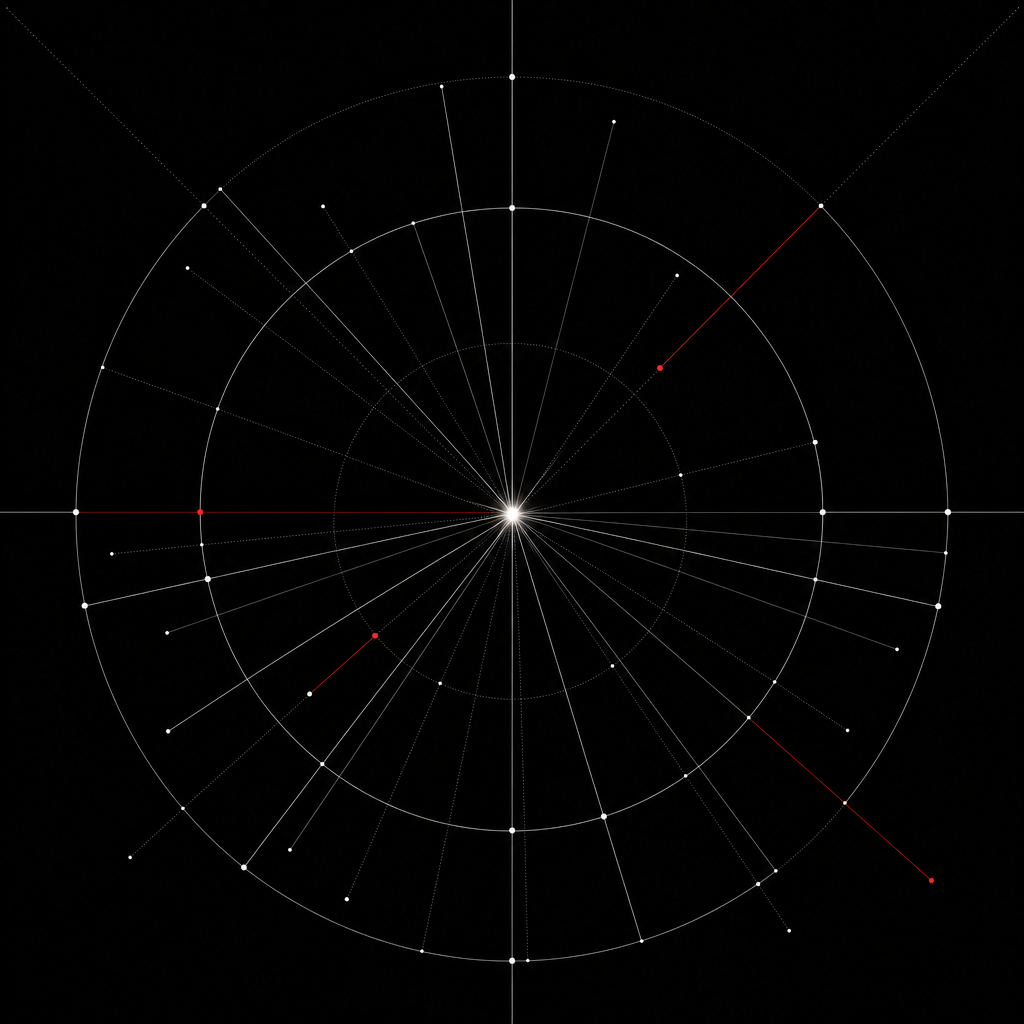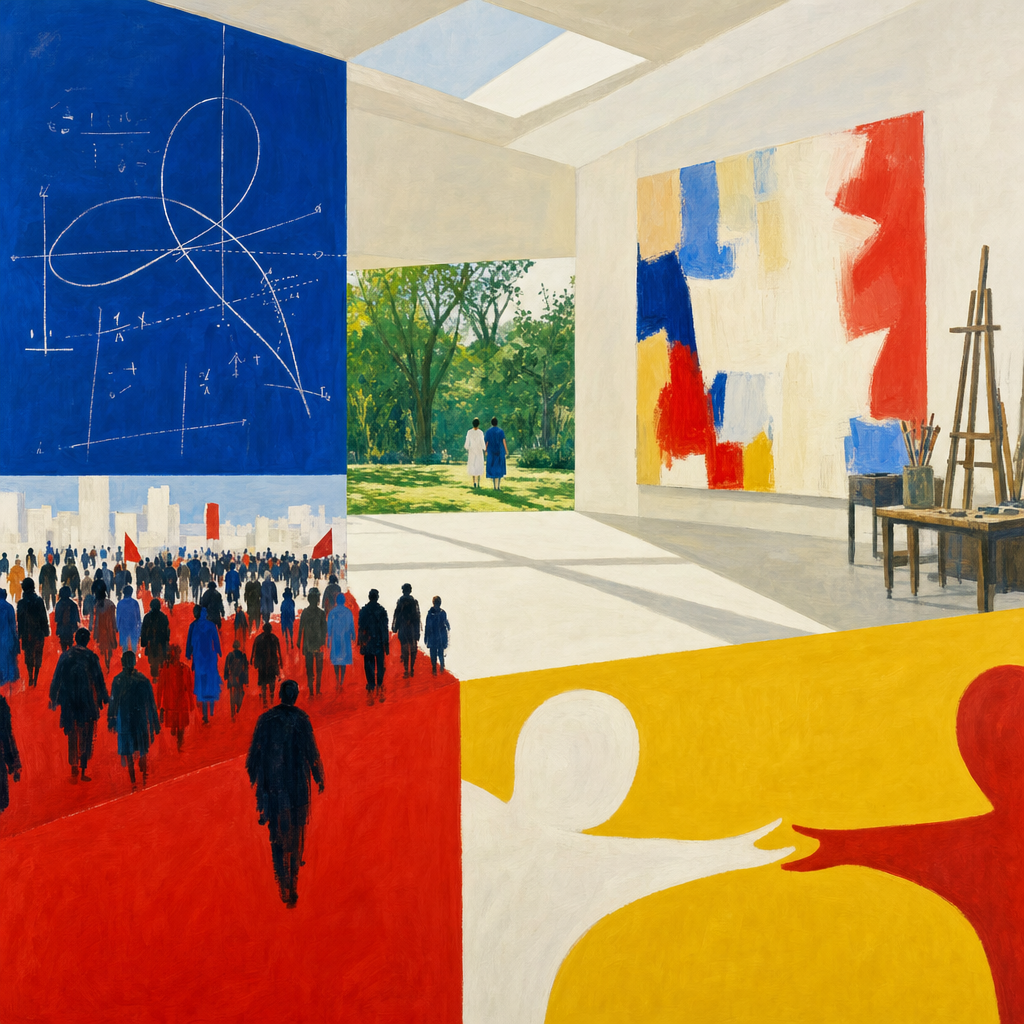
Theory of the Subject (Théorie du sujet) is Badiou's first major work and the book in which his distinctive philosophical voice emerged, shaped by his engagement with Lacanian psychoanalysis, Maoist political theory, and the algebraic topology of the French structural tradition. The work is written in the form of a seminar — lively, digressive, polemical — and its central ambition is to think the subject of political militancy: the kind of subjectivity that is forged in genuine political rupture and that is capable of sustaining a wager on transformative change. Badiou distinguishes two structural principles that govern all processes: the esplace (the structural space or totality that determines what can appear) and the horlieu (the exception or exterior that disrupts the totality from the outside). The subject is what emerges at the intersection of these two principles — specifically at those moments when an element of the horlieu forces an internal transformation of the esplace. This theory is applied to the French Maoism of the late 1960s and 1970s, to Mallarméan poetics, to Lacanian psychoanalysis, and to the structure of Hegelian dialectics. Theory of the Subject is rawer and more politically immediate than Badiou's later work, and it reveals the concrete political commitment — to the possibility of radical rupture, to the transformative power of fidelity to a cause — that underlies the more abstract architectures of Being and Event and Logics of Worlds.
This work isn't available here yet. In the meantime you can purchase a copy on Amazon, or check back later, as we are always adding books to our library.
As an Amazon Associate we earn from qualifying purchases.