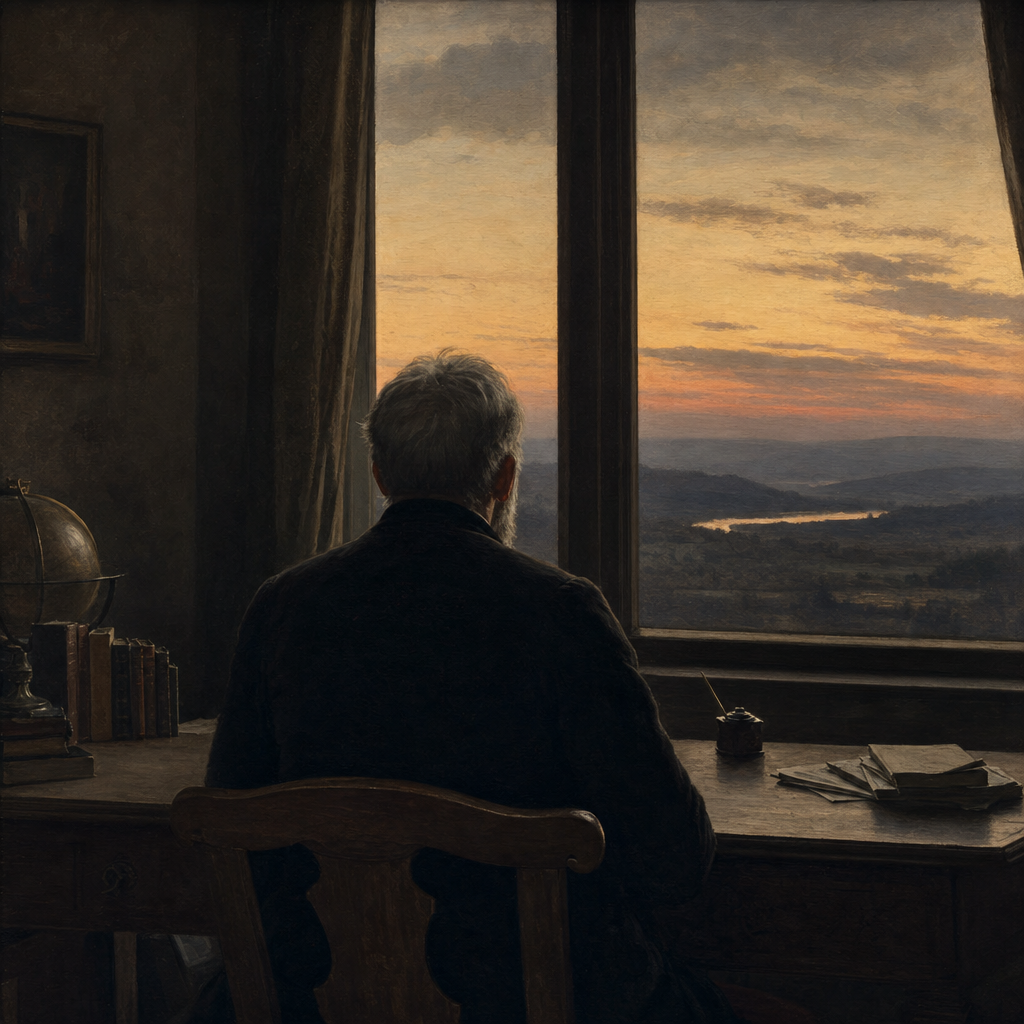
The Essence of Philosophy (Das Wesen der Philosophie) is Dilthey's most compressed and reflective statement of what philosophy is and why it matters — a late work written when he was in his seventies, distilling the insights of decades of historical study and theoretical reflection. Dilthey argues that philosophy cannot be understood as a body of timeless doctrine or a set of perennial problems that admit of definitive solutions. It is rather a historically developing form of life-expression: each major philosophical system is an attempt to articulate the comprehensive meaning of life from a particular historical and cultural standpoint, using the intellectual resources of its age. The great philosophical world-views — idealism of freedom, objective idealism, naturalism — recur in different forms across history not because philosophers fail to solve the same problems but because these views express different fundamental orientations to life and the world that are irreducible to each other. The task of philosophy is not to choose between these world-views or to construct a final synthesis but to understand each of them as an expression of human life's drive towards coherence and meaning — and thereby to achieve a higher, historically conscious freedom in relation to all of them. The Essence of Philosophy is the clearest formulation of Dilthey's historicism and his vision of philosophy as the self-understanding of historically situated human life.
This work isn't available here yet. In the meantime you can purchase a copy on Amazon, or check back later, as we are always adding books to our library.
As an Amazon Associate we earn from qualifying purchases.