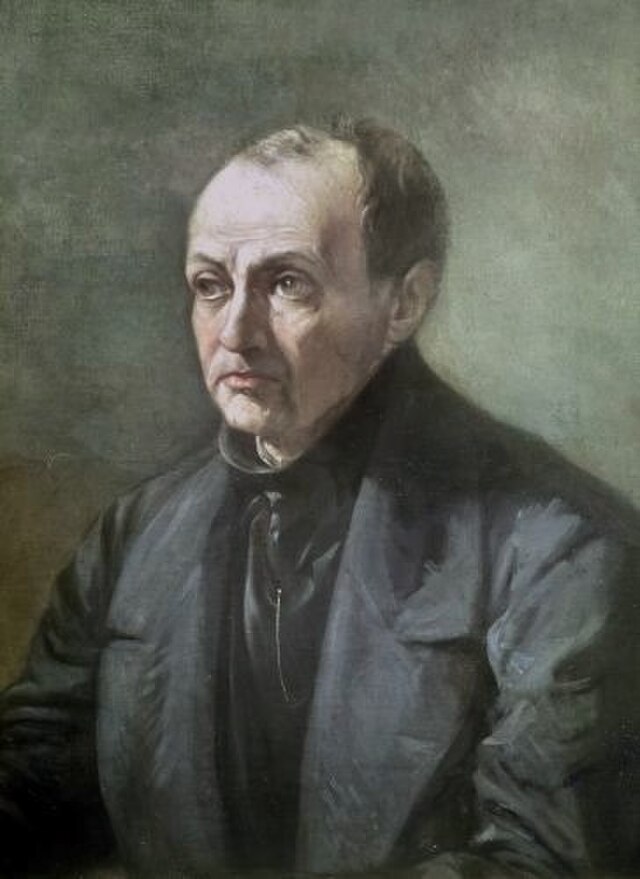
Why the Governing Classes Will Resist
The old aristocracy, Comte argues, is too invested in its own privileges to accept a philosophy built on the supremacy of social feeling over rank. The middle class that displaced it is, in his portrait, absorbed in acquiring power rather than directing it toward any coherent end, and instinctively wary of any doctrine demanding sacrifice or discipline.
A Natural Affinity
Philosophers and workers, by contrast, share more than their opposite positions suggest. Neither is trained in the fragmented, specialist habits of mind Comte associates with the professional and capitalist classes; both, in his account, retain a native preference for general principles over narrow expertise, and a comparative indifference to purely material ambition.
it is among the Working Classes that the new philosophers will find their most energetic allies
The Limits of the Alliance
Comte is not simply romanticizing poverty. He grants that a workman's daily circumstances give him less leisure and less security than the philosopher, and that his social sympathies, while genuine, are more easily strained by material necessity. The alliance between the two is a starting point for social regeneration, not its completion — a third element, Feeling in its purest form, still has to be supplied, which is the subject of Comte's following chapter on women.
Drawn from Chapter III of A General View of Positivism (1848), on the relation of Positivism to the working classes.
Related Concepts