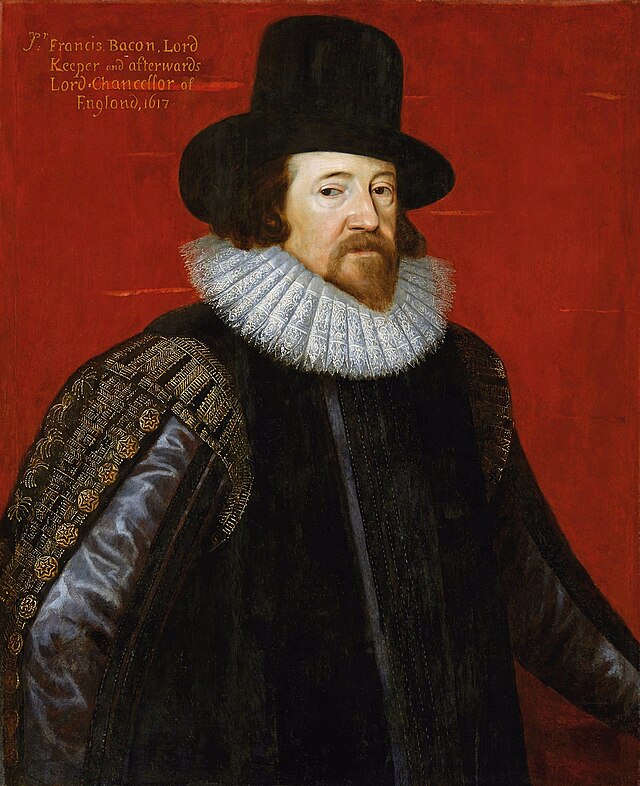
Words Mistaken for Matter
The distemper Bacon dwells on longest is the Renaissance cult of eloquence — Erasmus, Sturmius, and the schools that, reacting against scholastic barbarism, fell in love with Ciceronian style until 'men began to hunt more after words than matter.' The trouble is not eloquence itself but the substitution: a beautifully turned sentence standing in for a discovery.
for words are but the images of matter, and except they have life of reason and invention, to fall in love with them is all one as to fall in love with a picture
Pygmalion's Frenzy
Bacon reaches for the myth of Pygmalion — the sculptor who fell in love with his own statue — to characterise this vanity precisely because it captures what is self-defeating about it: language is meant to be a vehicle for thought, and treating the vehicle as the destination produces admiration without advancement. The other two distempers, contentious hair-splitting among the schoolmen and credulous acceptance of unverified authority, receive the same treatment: real intellectual energy, misdirected.
Drawn from Chapter I (Book I, sections IV) of The Advancement of Learning, where Bacon surveys the internal faults of learned men before turning to learning's external critics.
Related Concepts