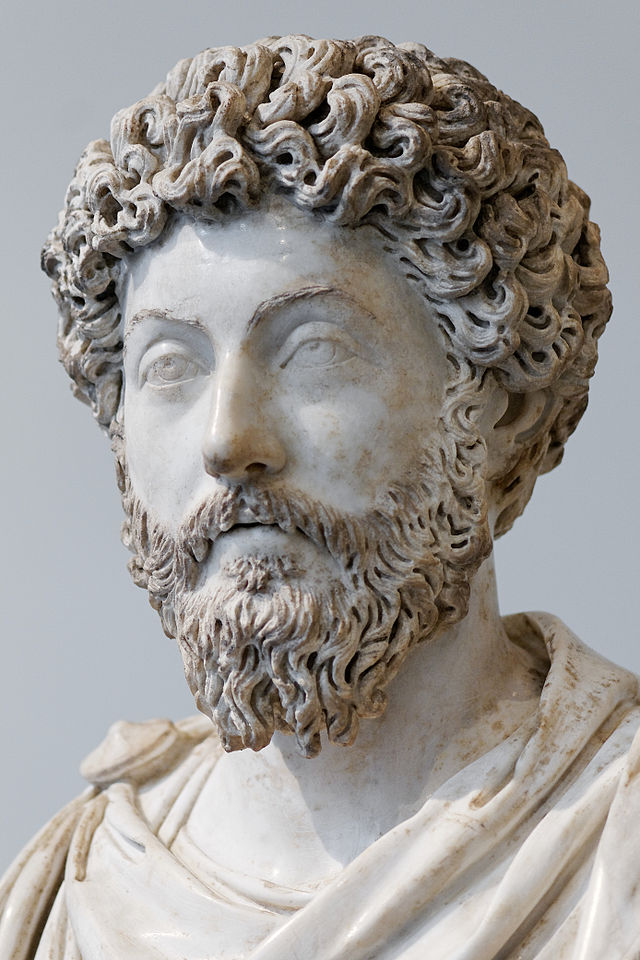
Pre-empting the Shock
The technique works by preparing the mind in advance. If you have already imagined losing your health, your position, the people you love, then when these losses come (and they will) you have a kind of interior readiness. You have grieved at your own pace, so that grief does not overwhelm you when it arrives uninvited. This is not morbidity; it is the rehearsal of what is already true.
XL. Then hath a man attained to the estate of perfection in his life and
conversation, when he so spends every day, as if it were his last day:
never hot and vehement in his affections, nor yet so cold and stupid as
one that had no sense; and free from all manner of dissimulation.
Intensifying Gratitude
More surprisingly, negative visualisation sharpens gratitude. Marcus would look at the food on his table and remember that it would not always be there. He would look at his children and recall they were mortal. The effect is the opposite of what you might expect: each moment with them becomes precious precisely because it is not guaranteed. The meal tastes better. The conversation matters more. The practice forces attention onto what is actually present.
The untrained mind resists this practice. It feels like inviting bad luck, or like a kind of disloyalty to the people we love. But Marcus was not indulging pessimism; he was practising realism. Things change. Things end. Negative visualisation is simply the practice of remembering what we already know but prefer not to think about.
The Relationship to Control
Negative visualisation connects directly to the dichotomy of control. By contemplating the loss of things outside our control, we loosen our grip on them without losing our love for them. We stop treating contingent goods as necessities. We become harder to manipulate by those who threaten to take what we have. The person who has already imagined the worst is less at the mercy of those who would use fear as a lever.
Whatsoever thou doest hereafter aspire unto, thou mayest even now
enjoy and possess, if thou doest not envy thyself thine own happiness.
Related Concepts