Instinct as Will Without Intellect
Instinct is purposive behaviour that accomplishes what the animal needs without the animal knowing why it does it: the bird building a nest for eggs it has never laid, the caterpillar spinning a cocoon for a metamorphosis it cannot conceive, the wasp stinging its prey at the precise ganglionic node that will paralyse without kill. These behaviours are perfectly adapted to their purposes yet cannot be the result of prior cognition. They demonstrate that will can act without intellect as guide — that purposiveness in nature does not require a conscious purpose-holder. Intellect is a late and partial addition to will, not its source.
The Intellect as Will's Tool
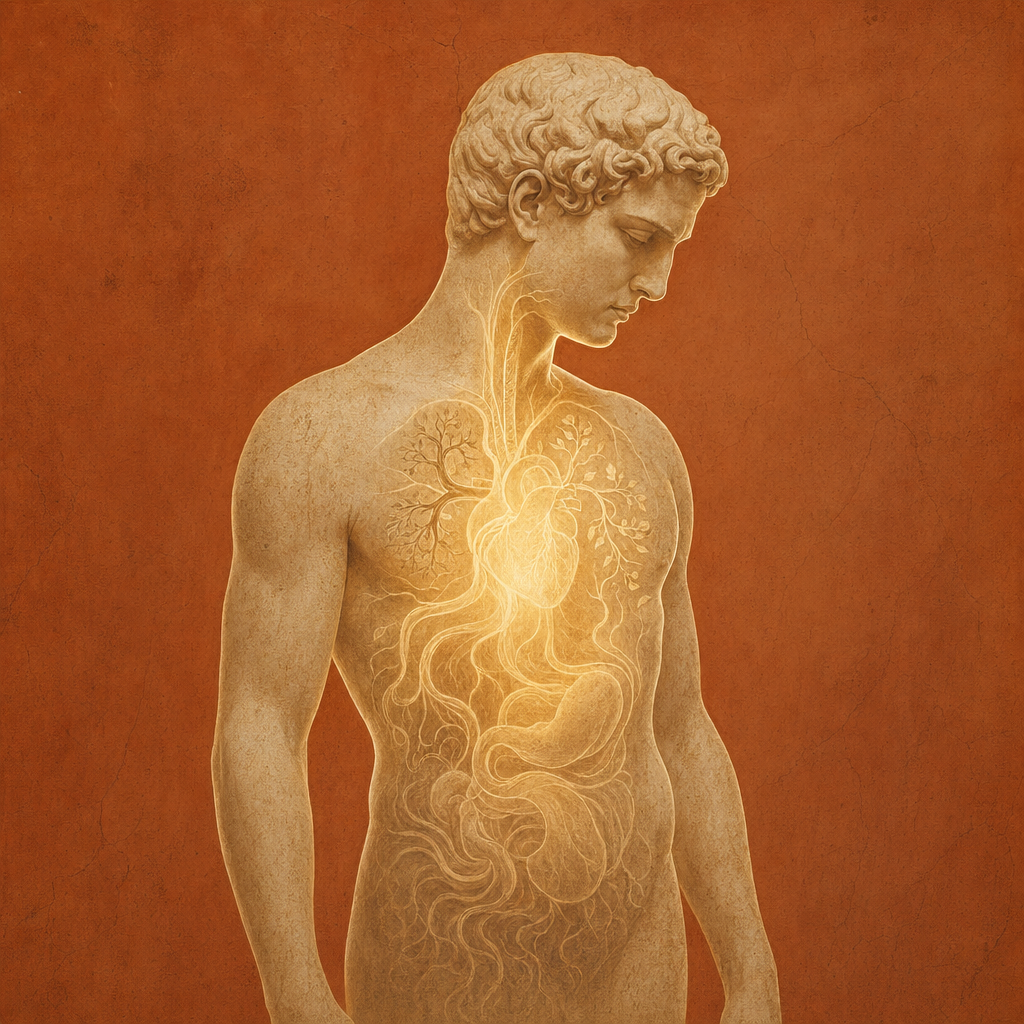
In higher animals and humans, the intellect appears as a more flexible instrument for serving the will's purposes. The animal that can learn, plan, and deceive is better equipped to satisfy its will than one limited to fixed instinctive responses. But the sophistication of the instrument should not obscure its status: the intellect is the will's tool, not the will's master. Schopenhauer points to the body's reactions — blushing, blanching, the pounding of the heart — as evidence that the will asserts itself directly, bypassing intellect entirely. We may decide to be calm; the body, which is will, refuses.
The chapter on comparative anatomy in On the Will in Nature develops the argument from instinct at length. The inversion of the intellect-will relationship — will as primary, intellect as secondary — is one of the most influential aspects of Schopenhauer's system, anticipating Nietzsche's critique of rationalism and Freud's account of the unconscious.
Related Concepts