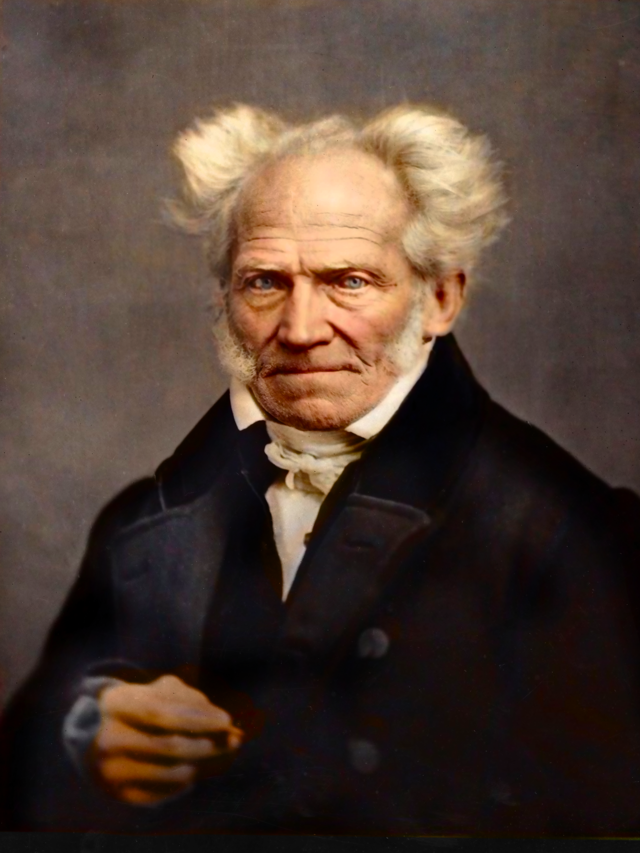
What We Are, What We Have, What We Represent
Schopenhauer opens the Aphorisms by distinguishing three sources of happiness: what we are (personality, health, temperament, intelligence), what we have (property and possessions), and what we represent (how others see us, reputation). The first is overwhelmingly the most important, the second considerably less so, and the third least of all. This ranking runs directly against common ambition: most people sacrifice their inner life — their health, their leisure, their genuine pleasures — in pursuit of the third, public recognition, which contributes least to actual wellbeing.
Pain, Boredom, and the Middle Path
Human life oscillates between pain (the pressure of unsatisfied wants) and boredom (the emptiness of a will without objects). The wise person learns to manage this oscillation: to cultivate inner resources that fill leisure without generating new desires, to limit ambition so that disappointment is minimised, to maintain health as the foundation of all other goods, and to reduce dependence on others' opinions and fortune's gifts. This is not Stoic resignation but a calibrated hedonism: maximising real satisfaction by adjusting expectations to what the will can actually provide.
"Aphorisms on the Wisdom of Life" appears in the first volume of Parerga and Paralipomena (1851). Its deliberate practical focus made it Schopenhauer's most popular work during his lifetime and secured his reputation with the general reading public for the first time.
Related Concepts