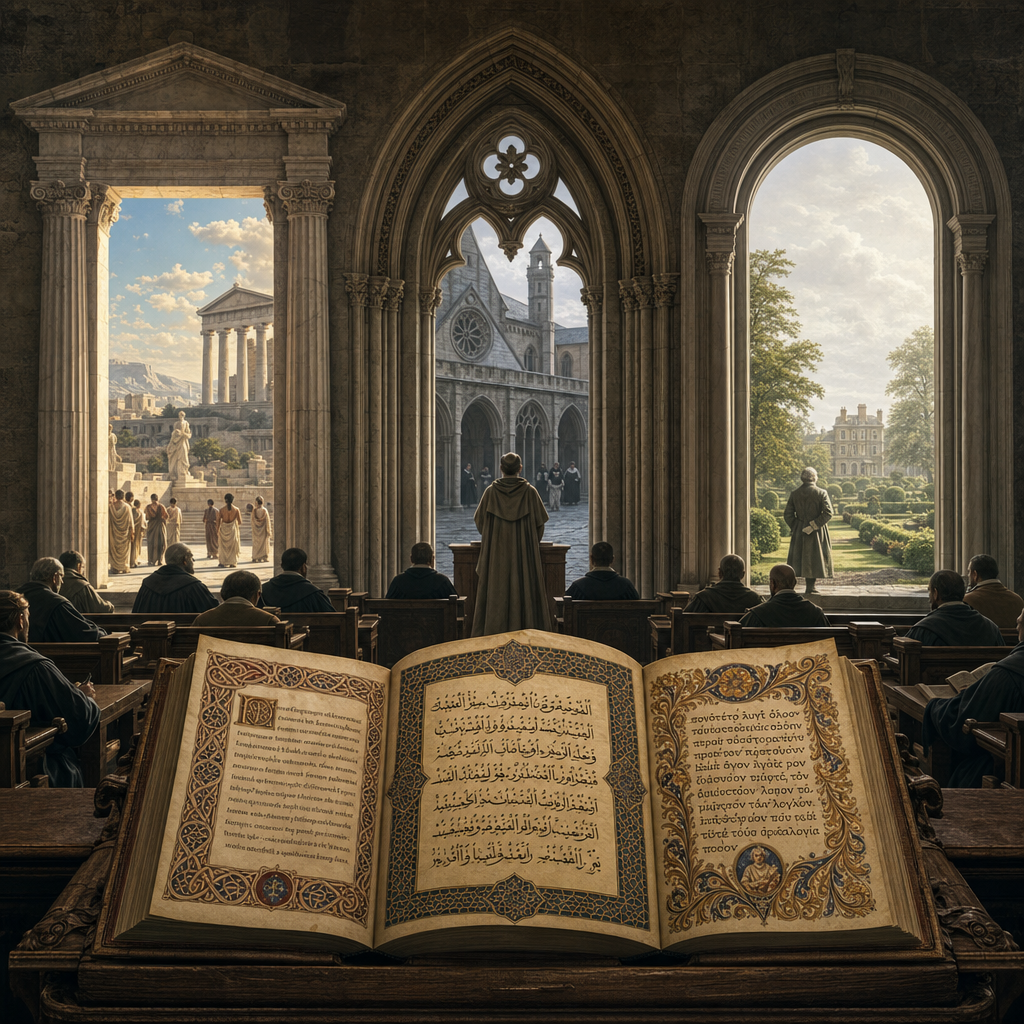
After Virtue: A Study in Moral Theory (1981) is one of the most influential and controversial works of moral philosophy of the twentieth century. MacIntyre opens with a striking thought experiment: imagine a society in the aftermath of a catastrophe that destroyed the natural sciences, leaving behind only fragments of scientific vocabulary stripped of their theoretical context. He argues that contemporary moral philosophy is in exactly this position — it deploys the vocabulary of virtues, rights, and duties inherited from earlier moral traditions while having lost the metaphysical and social frameworks that gave those terms their meaning. The result is the interminable, incommensurable moral disagreements that characterise modern public life. MacIntyre traces the catastrophe to the Enlightenment's attempt to found morality on reason alone, detached from teleology, tradition, and community. Kant's morality of duty and Mill's utilitarianism both fail, MacIntyre argues, because they attempt the impossible: to justify moral claims without appeal to a determinate account of what human beings are for. The remedy, MacIntyre provocatively suggests, is a return to Aristotelian virtue ethics and the tradition of practice-based moral reasoning — accompanied by the recognition that moral reasoning is always situated within, and dependent on, a living tradition.
This work isn't available here yet. In the meantime you can purchase a copy on Amazon, or check back later, as we are always adding books to our library.
As an Amazon Associate we earn from qualifying purchases.