
Directory › Nagarjuna
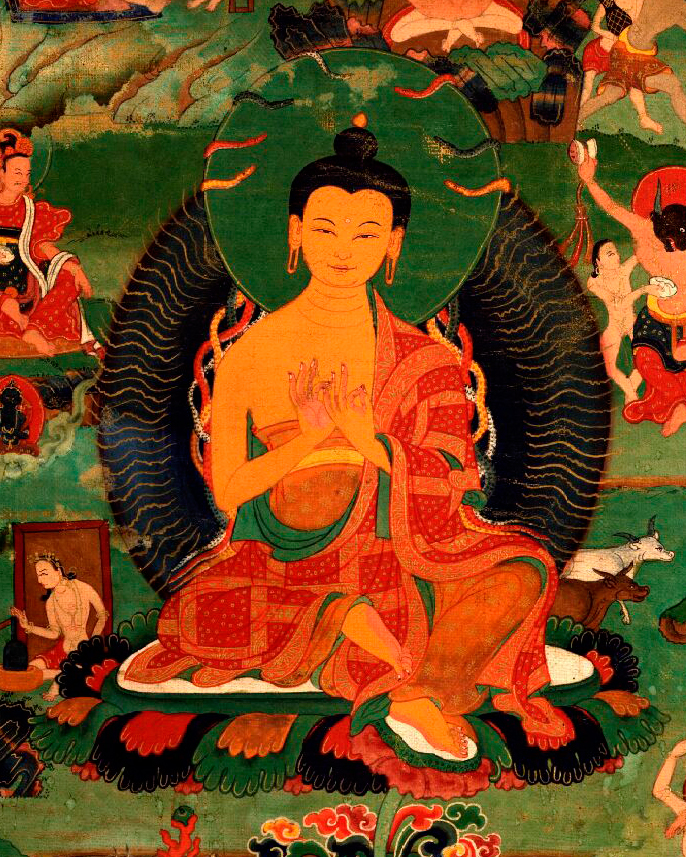
Nagarjuna
Buddhism
150–250 AD · Ancient & Classical
Nagarjuna was an Indian Buddhist philosopher who founded the Madhyamaka (Middle Way) school — one of the most important philosophical traditions in the history of Buddhism. His major work, the Mūlamadhyamakakārikā, develops the concept of śūnyatā (emptiness): the thesis that all phenomena lack inherent, independent existence and arise only in dependence on other phenomena. This radical deconstruction of metaphysical foundations — extending even to emptiness itself — anticipated aspects of later sceptical and deconstructive philosophies.
Whatever is dependently co-arisen, that is explained to be emptiness.
0
Books
20
Related
0
Concepts