
Directory › Al-Kindī
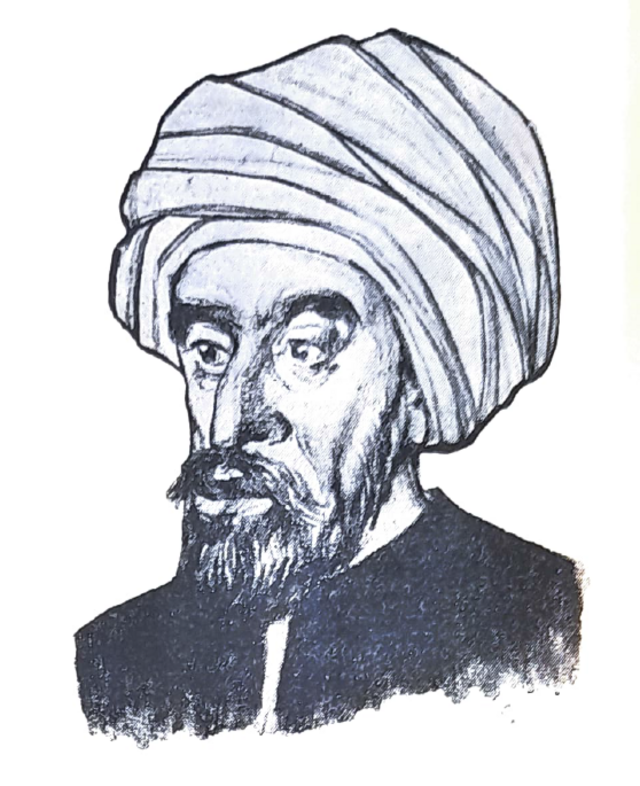
Al-Kindī
Islamic
c. 801–873 · Medieval
Yaʿqūb ibn Isḥāq al-Kindī was the first philosopher to write in Arabic and the founding figure of the Falsafa tradition — the attempt to synthesise Greek philosophy with Islamic thought. Working in Baghdad under the Abbasid caliphs, al-Kindī oversaw the translation of Aristotle, Plato, and Plotinus into Arabic and produced over two hundred treatises on philosophy, mathematics, medicine, optics, and music.
Al-Kindī argued that Greek philosophy and Islamic revelation were not merely compatible but complementary — that reason and revelation both lead to truth, and that the philosopher who seeks truth must follow the argument wherever it leads, regardless of tradition. His On First Philosophy was the first systematic Arabic philosophical treatise. His work on optics influenced Roger Bacon; his cosmological arguments were taken up by al-Fārābī, Avicenna, and Averroes. He was the indispensable bridge through which Greek thought entered the Islamic world.
We should not be ashamed to acknowledge truth from whatever source it comes to us, even if it is brought to us by former generations and foreign peoples.
0
Books
20
Related
0
Concepts