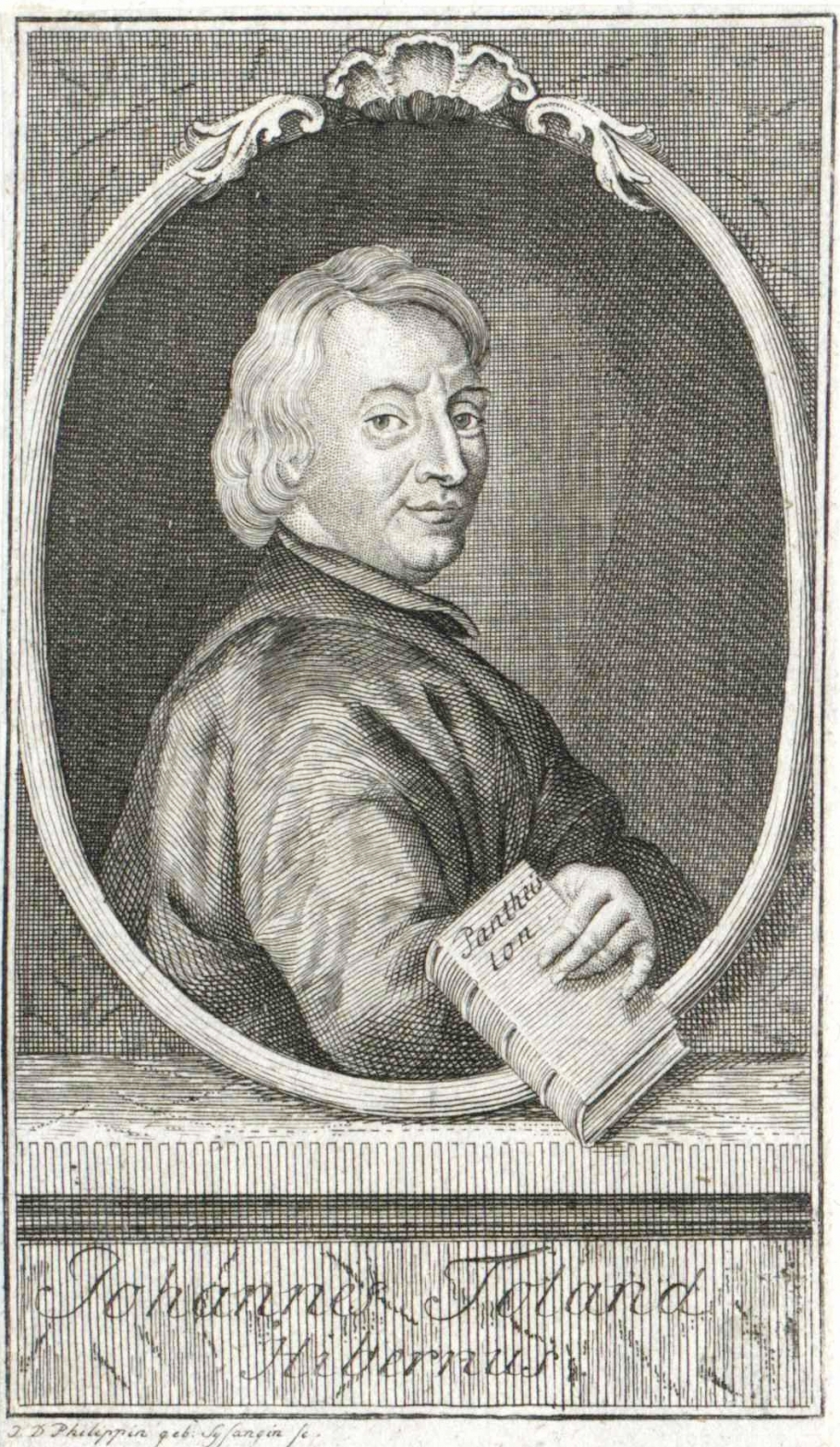
An Intimacy That Became a Threat
Toland traces the catastrophe to something ordinary: Orestes, the Roman governor of Alexandria, consulted Hypatia as an oracle in difficult matters, as much of the city did. That closeness offended Cyril, the bishop, who — Toland notes pointedly — had already begun seizing the property of rival Christian sects and asserting an 'arbitrary kind of Principality' beyond anything his predecessors claimed.
Mob Violence as Political Instrument
Before Hypatia, the target was Orestes himself: five hundred monks descended from the Nitrian desert, stoned him in the street, and were repelled only by the citizens of Alexandria. When the ringleader was executed under law, Cyril declared him a martyr. Toland lays this out as the template for what follows — violence licensed by religious authority, then retroactively sanctified.
This Picture, tho’ drawn by an Enemy’s Hand, is allowed by all good Judges to be done to the Life
The Killing Itself
A mob led by a lector named Peter drags Hypatia from her chariot, strips her, kills her inside a church with broken tiles, and burns her dismembered body. Toland refuses to let the horror soften into abstraction; he narrates it in close, unflinching detail, and insists — against apologists eager to blame an anonymous crowd — that the killers were specifically Cyril's own clergy.
Nothing short of this Treatment, not to be parallelled among the most savage Nations against Woman
Drawn from Chapters XVI, XVIII, and XIX of Toland's Hypatia, which trace the Cyril–Orestes conflict from its origins to her death.
Related Concepts